

Recognizing South Florida Waterfront Home Styles

Most waterfront buyers start with pictures. They save listings, screenshot homes from a boat ride down the Intracoastal, and tell their agent they want something “like that one on the point in Admirals Cove.” What they are usually describing, whether they realize it or not, is an architectural style. Four styles dominate the waterfront neighborhoods of Jupiter, Tequesta, North Palm Beach, and the surrounding communities: Bermuda, British West Indies, Coastal Contemporary, and Mediterranean Revival. Learning to tell them apart makes every part of the search faster, from setting alerts to walking a builder through what you actually have in mind.
Bermuda: Clean, Low, and Quietly Formal
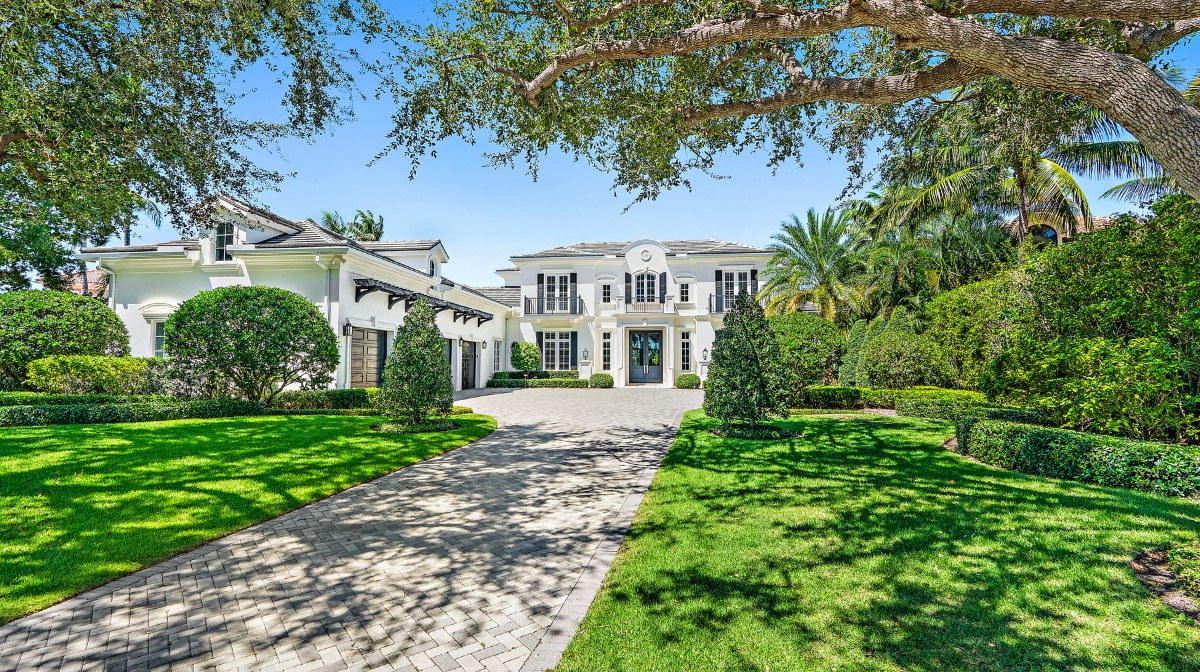
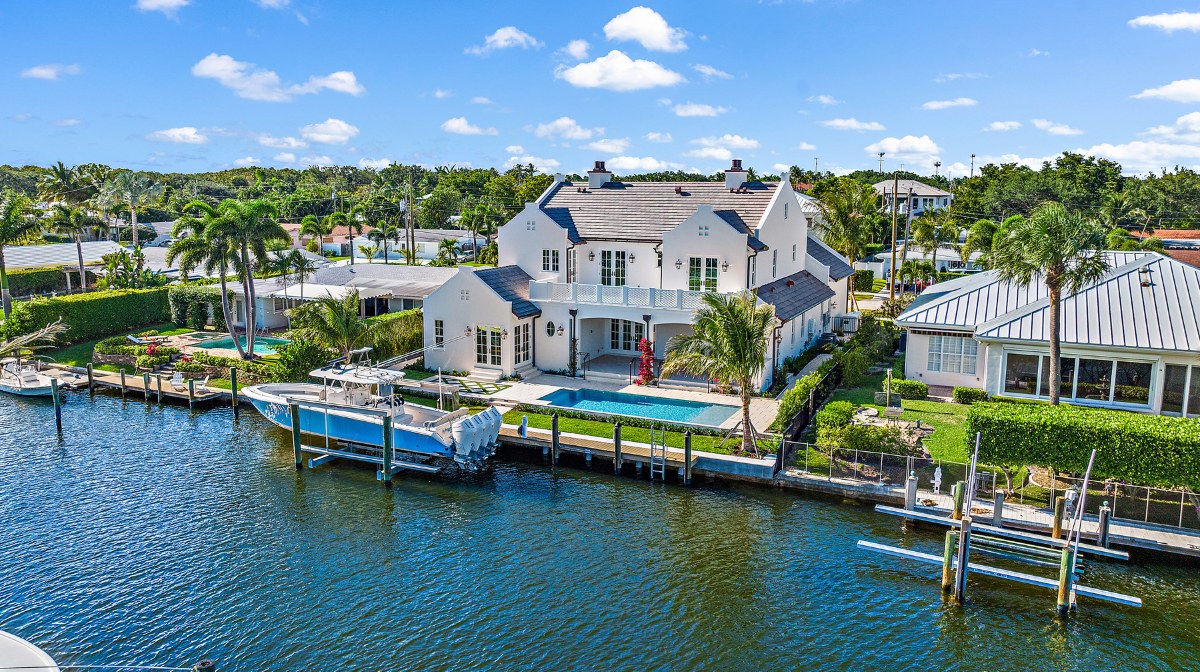
Bermuda style homes are easy to spot once you know the signature: a low, white hipped roof over crisp stucco walls, usually in white or a soft pastel. The look traces back to the island homes of Bermuda, where stepped limestone roofs were designed to collect rainwater. In South Florida the roofs are typically flat white tile or metal rather than limestone, but the visual effect carries over. The lines stay low and horizontal, ornament is minimal, and shutters or simple trim do most of the decorative work.
Palm Beach has a long relationship with this style. Mid-century architects working on the island, most famously John Volk and Howard Major, turned to Bermuda architecture as a lighter, more restrained alternative to the heavier Mediterranean estates of the 1920s. The result became one of the most enduring looks in the county. On the waterfront, Bermuda homes tend to appeal to buyers who want a classic, established feel with clean sightlines to the water. The low rooflines keep the house from competing with the view, and the white-on-white palette holds up beautifully in coastal light.
British West Indies: Dark Roofs, Deep Porches, Island Character
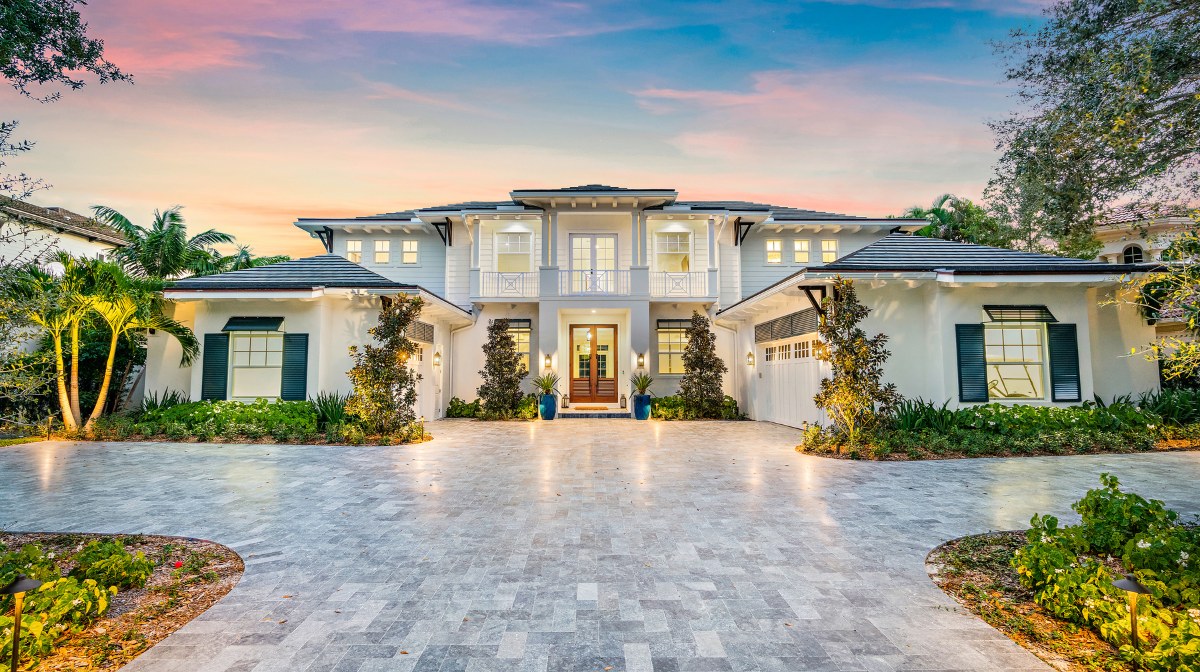
British West Indies architecture draws on the colonial homes of the Caribbean, and it has become one of the most requested styles in new waterfront construction across the northern Palm Beaches. The telltale details are a steep hip roof, often in dark metal or shake-style tile, paired with light stucco or stone walls. Wide overhangs shade the windows, Bahama shutters and louvered accents nod to the tropics, and dark wood elements, from front doors to ceiling details, give the exterior real depth.
Where Bermuda style keeps everything low and quiet, British West Indies homes lean into shadow and contrast. Covered lanais, verandas, and outdoor living areas are central to the design, which is exactly why the style works so well on the water. A deep covered porch facing the Intracoastal or a wide canal becomes the most used room in the house. Buyers who tour newer construction in Jupiter and Palm Beach Gardens will see this style everywhere, and for good reason: it photographs well, lives well, and feels at home in a boating market.
Coastal Contemporary: Glass, Light, and the View First
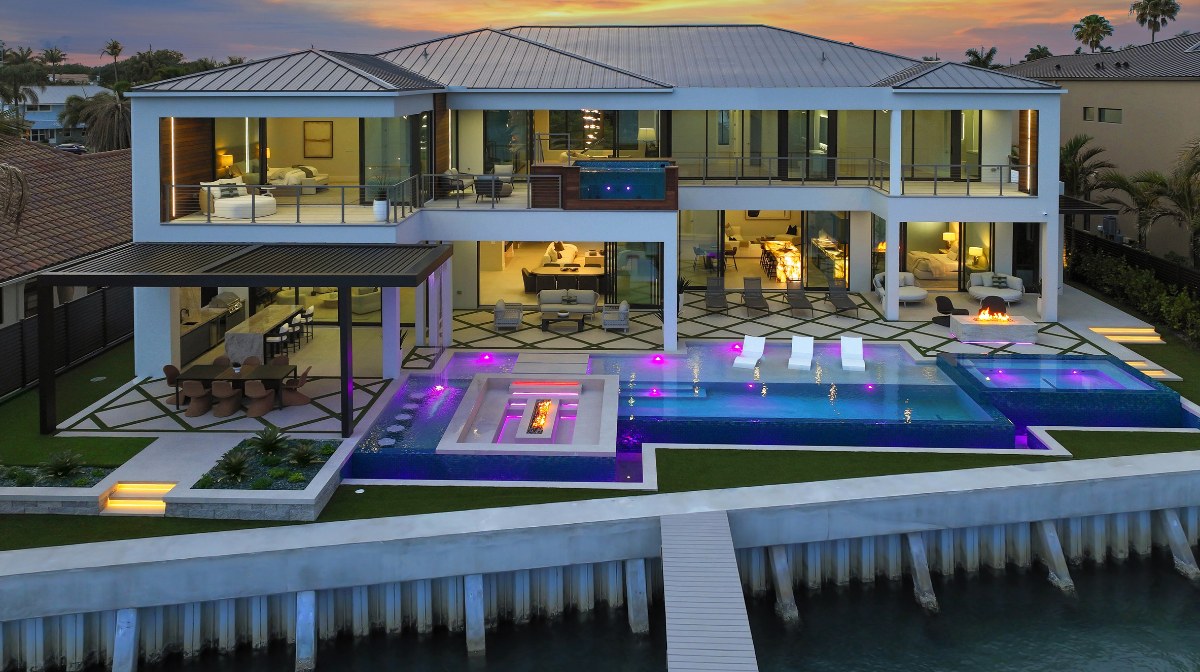
Coastal Contemporary is the style shaping most new waterfront builds today. The vocabulary is simple: flat or gently pitched rooflines, large expanses of glass, clean geometric forms, and a palette built around whites, warm grays, and natural wood or stone accents. Interiors are open, ceilings are high, and the boundary between indoor and outdoor space is deliberately blurred with sliding glass walls, covered outdoor kitchens, and pool decks that flow straight toward the dock.
The organizing idea behind Coastal Contemporary is the view. Every major design decision, from window placement to the orientation of the great room, exists to put the water in front of you as often as possible. That makes the style a natural fit for Intracoastal point lots and wide canal frontage, where the sightlines justify the glass. Buyers coming from newer construction markets in the Northeast or out West often gravitate here first, because the style feels current and the maintenance profile of concrete, glass, and metal suits the coastal environment.
Mediterranean Revival: The Style That Built Palm Beach County
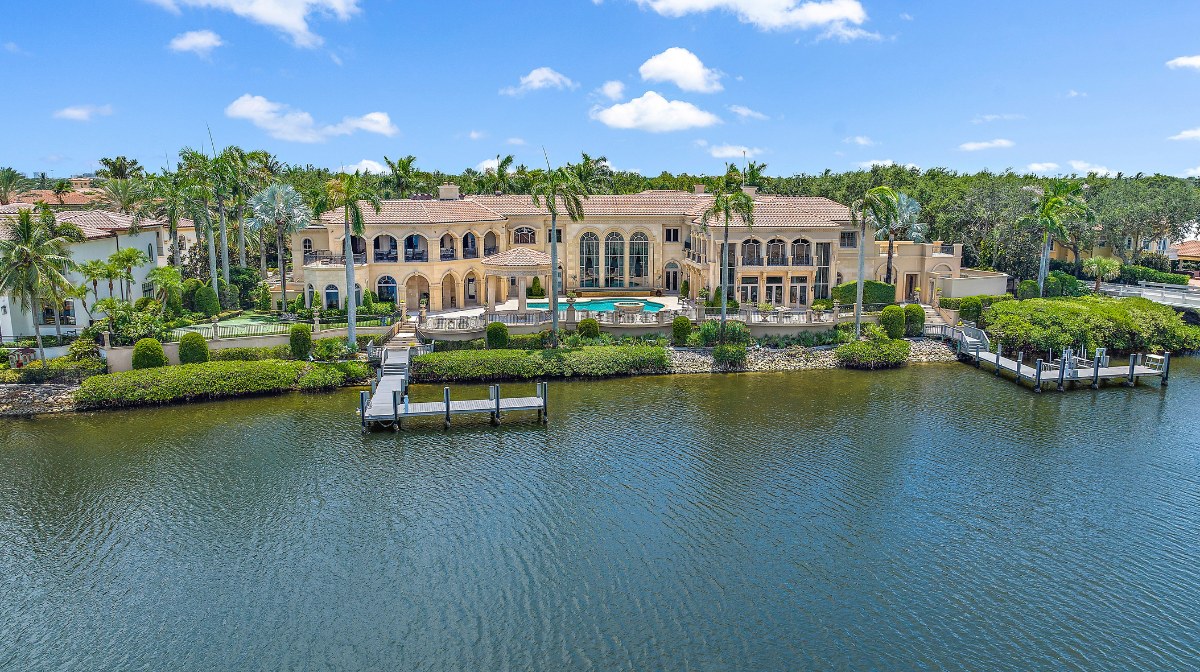
Mediterranean Revival is the grand old style of South Florida. Barrel tile roofs in terracotta, arched windows and doorways, textured stucco in cream and ochre tones, wrought iron balconies, and interior courtyards all mark the style. It arrived during the 1920s land boom, when architects such as Addison Mizner shaped Palm Beach and Boca Raton around a romantic vision of Spanish and Italian coastal villas, and it has been part of the county's identity ever since.
On the waterfront, Mediterranean Revival homes range from original estates to newer construction that borrows the vocabulary at a larger scale. The style suits buyers who want presence and formality: a courtyard entry, a loggia overlooking the pool, heavy carved doors, and rooms that feel substantial. It is worth knowing that many newer “Mediterranean” homes soften the details considerably, so if you love the authentic version, ask about the age of the home and the provenance of the design. The difference shows up in the craftsmanship.
Why Style Knowledge Pays Off in a Waterfront Search
Style is more than curb appeal. In many gated waterfront communities, architectural review boards influence what can be built or renovated, and certain neighborhoods carry a strong stylistic identity that affects resale. Style also shapes how a home lives on the water. A British West Indies home with deep covered porches handles afternoon sun on a west-facing lot differently than a glass-forward Coastal Contemporary, and a Bermuda roofline reads differently from the waterway than a two-story Mediterranean facade. Knowing the vocabulary lets you evaluate a home against the lot, the exposure, and the way you plan to use the property, rather than reacting to photos alone.
Find the Style That Fits Your Life on the Water
The best waterfront search starts with knowing what you are looking at and why it appeals to you. Waterfront Properties has spent decades helping buyers navigate the neighborhoods of Jupiter, Tequesta, and the greater Palm Beach County waterfront, where these four styles sit side by side along the same canals and Intracoastal stretches. If you are ready to match an architectural style to a lot, a view, and the way you actually want to live, contact Waterfront Properties to start your search here.
Frequently Asked Questions
What are the most common waterfront home styles in Jupiter and Palm Beach County?
Four styles dominate the waterfront neighborhoods of Jupiter, Tequesta, North Palm Beach, and the surrounding communities: Bermuda, British West Indies, Coastal Contemporary, and Mediterranean Revival.
How do you recognize a Bermuda style home?
Look for a low, white hipped roof over crisp stucco walls, usually in white or a soft pastel. The lines stay low and horizontal, ornament is minimal, and shutters or simple trim do most of the decorative work.
Who popularized Bermuda style architecture in Palm Beach?
Mid-century architects working on the island, most famously John Volk and Howard Major, turned to Bermuda architecture as a lighter, more restrained alternative to the heavier Mediterranean estates of the 1920s. It became one of the most enduring looks in the county.
What are the telltale features of British West Indies architecture?
A steep hip roof, often in dark metal or shake-style tile, paired with light stucco or stone walls. Wide overhangs shade the windows, Bahama shutters and louvered accents nod to the tropics, and dark wood elements, from front doors to ceiling details, give the exterior depth.
What is the difference between Bermuda and British West Indies style?
Bermuda style keeps everything low and quiet, with a white roof, minimal ornament, and a white-on-white palette. British West Indies homes lean into shadow and contrast, with dark roofs, deep covered porches, and dark wood details.
What defines Coastal Contemporary architecture?
Flat or gently pitched rooflines, large expanses of glass, clean geometric forms, and a palette built around whites, warm grays, and natural wood or stone accents. The organizing idea is the view, and every major design decision exists to put the water in front of you as often as possible.
What are the features of a Mediterranean Revival home?
Barrel tile roofs in terracotta, arched windows and doorways, textured stucco in cream and ochre tones, wrought iron balconies, and interior courtyards. The style arrived during the 1920s land boom, when architects such as Addison Mizner shaped Palm Beach and Boca Raton.
Which style is most popular in new waterfront construction?
Coastal Contemporary and British West Indies have become the most requested styles in new waterfront construction across the northern Palm Beaches.
Are newer Mediterranean style homes the same as the originals?
Many newer Mediterranean homes soften the details considerably. Buyers who love the authentic version should ask about the age of the home and the provenance of the design, because the difference shows up in the craftsmanship.
Why does architectural style matter when buying a waterfront home?
In many gated waterfront communities, architectural review boards influence what can be built or renovated, and certain neighborhoods carry a strong stylistic identity that affects resale. Style also shapes how a home lives on the water, including how a home with deep covered porches handles afternoon sun on a west-facing lot compared with a glass-forward design.
Leave A Comment